
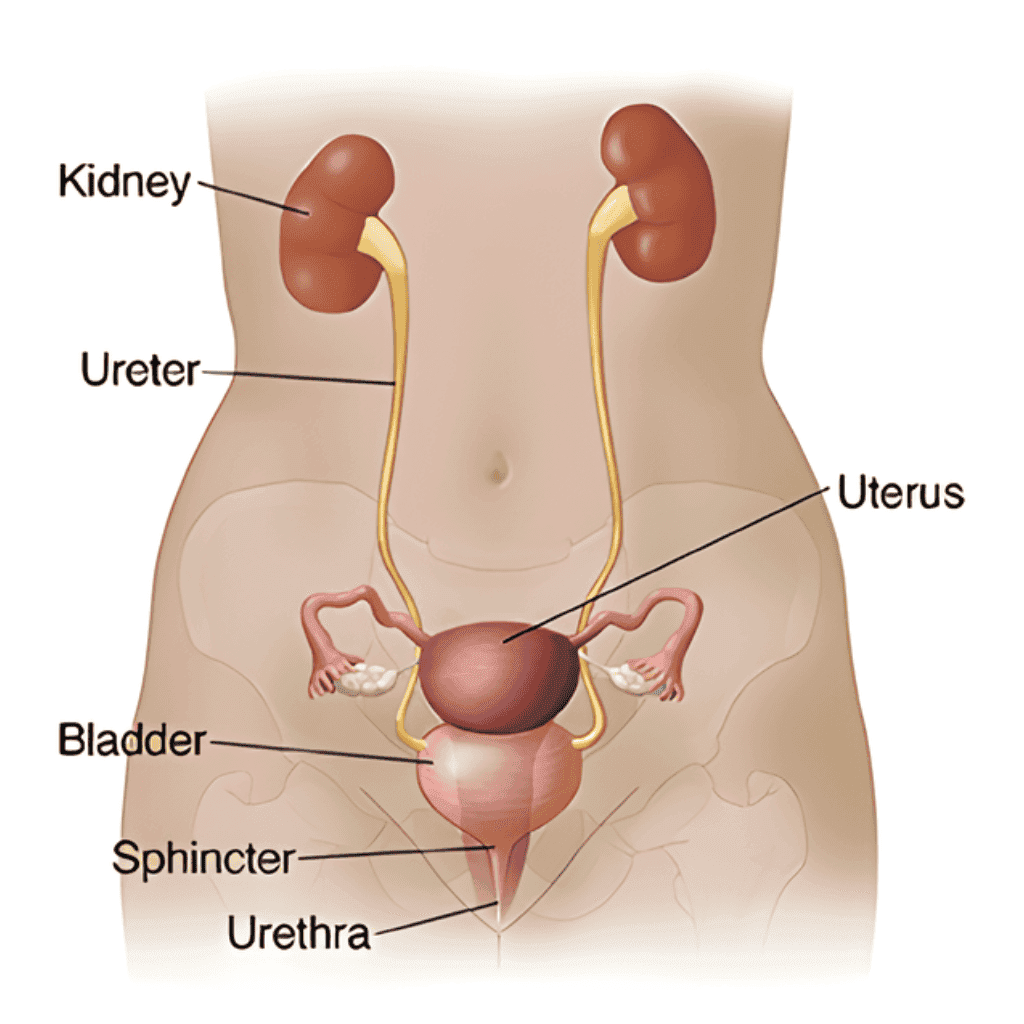
Urodynamics is a group of tests that show how well the bladder and urethra store and release urine. It turns symptoms such as leakage, urgency or a weak stream into measurements, so treatment can be targeted rather than guessed.
Who needs urodynamics?
- Women with urine leakage before considering surgery
- Mixed symptoms (leakage with stress and urgency)
- Overactive bladder not improving with treatment
- Men with urinary symptoms where the cause is unclear, before prostate surgery in selected cases
- People with nerve conditions such as spinal injury, diabetes affecting the bladder or multiple sclerosis
- Children with complex bladder problems
What the test includes
| Part | What it measures |
|---|---|
| Uroflowmetry | How fast urine flows when you pass urine normally |
| Post-void residual | Urine left in the bladder afterwards (ultrasound) |
| Cystometry | Bladder pressure, capacity and unwanted contractions during filling |
| Pressure-flow study | Whether a weak stream is due to blockage or a weak bladder |
| Leak point pressure | How much pressure causes leakage in stress incontinence |
What to expect
- Arrive with a comfortably full bladder for the flow test.
- Fine catheters are placed in the bladder and rectum to measure pressure.
- The bladder is slowly filled with sterile fluid; you report sensations and may be asked to cough.
- You pass urine with the catheters in place.
It takes about 30-60 minutes and is uncomfortable rather than painful. Mild burning afterwards is common; drink plenty of fluids. Related: female urology and overactive bladder.