
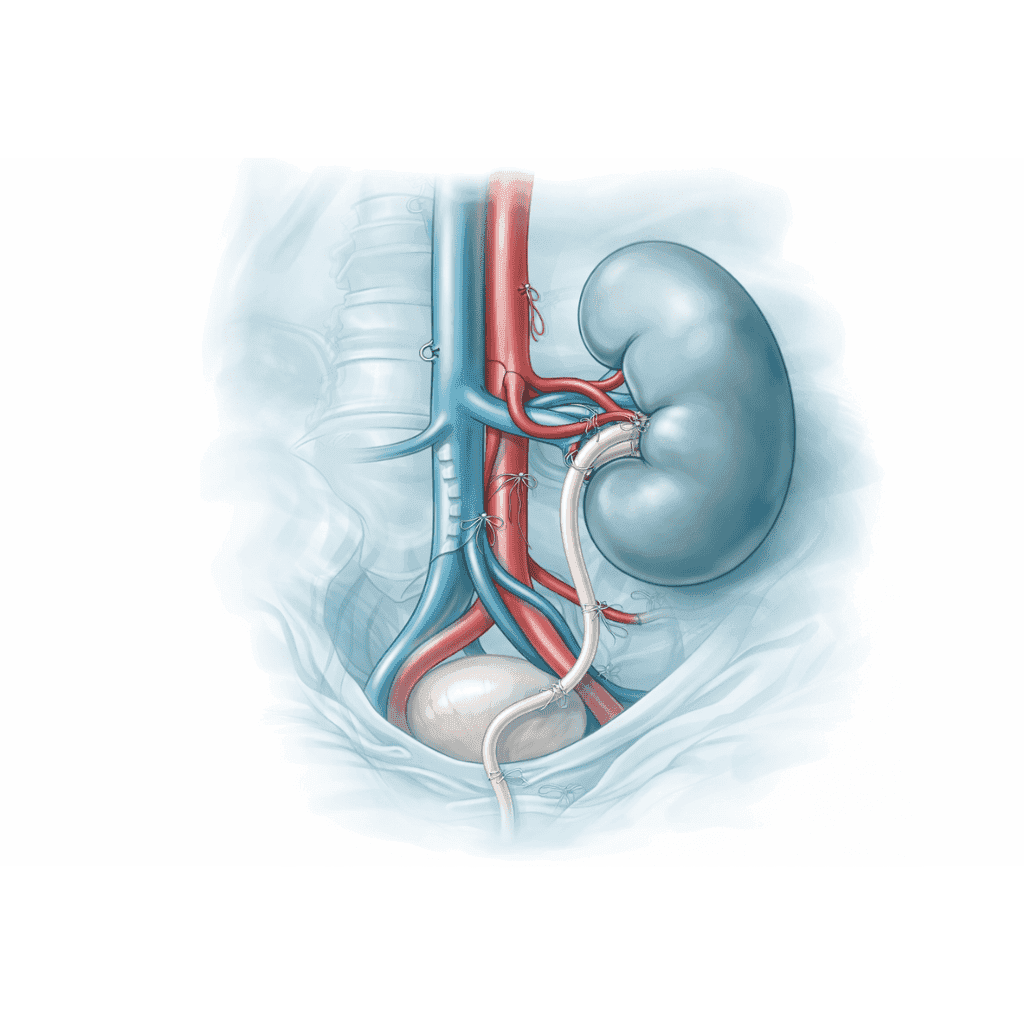
Both urologists and nephrologists care for the kidneys, which is why patients are often unsure whom to see. The simplest way to remember it: urologists are surgeons of the urinary tract; nephrologists are physicians for kidney function.
| Urologist | Nephrologist | |
|---|---|---|
| Training | Surgeon: MS (Surgery) then MCh (Urology) | Physician: MD (Medicine) then DM (Nephrology) |
| Focus | Structural problems of kidneys, ureters, bladder, prostate, urethra and male reproductive organs | Kidney function, chronic kidney disease, dialysis |
| Treats | Stones, enlarged prostate, urological cancers, strictures, blockages, male infertility, ED, children’s urology | Kidney failure, nephrotic syndrome, protein in urine, kidney-related high BP, electrolyte problems |
| Procedures | Laser stone surgery, prostate surgery, cancer surgery, reconstruction, transplant surgery | Dialysis, kidney biopsy, medical management |
See a urologist for
- Kidney or ureter stones
- Blood in the urine
- Weak urine flow, prostate problems
- Urine leakage or repeated UTIs
- A kidney, bladder, prostate or testicular lump or cancer
- Male infertility or erection problems
See a nephrologist for
- Rising creatinine or falling eGFR
- Protein in the urine, swelling
- Kidney disease from diabetes or high blood pressure
- Dialysis or medical care before and after transplant
When you need both
Kidney transplantation, stones in people with kidney disease, and blockages that affect kidney function are best handled together. Dr. Nitin Negi, MCh Urology, works with nephrologists at ManglamPlus Medicity. See kidney transplantation in Jaipur and signs you need a urologist.