
Tuberculosis is still common in India, and in some people it affects the urinary tract and genital organs. Genitourinary TB develops slowly and is often mistaken for repeated urine infections, so it is important to recognise.
Symptoms
- Frequent, painful urination that does not improve with usual antibiotics
- Pus cells in the urine but a “sterile” routine urine culture
- Blood in the urine
- Flank or back pain
- In men, a swollen, painful epididymis or testis, or blood in semen
- Infertility in some men and women
- Fever, weight loss and night sweats in some patients
Tests
- Early-morning urine samples (usually three) for TB testing, including molecular tests
- Ultrasound and CT urography to look for kidney damage, narrowing of the ureter or a small, scarred bladder
- Chest X-ray
- Cystoscopy and biopsy in selected cases (see cystoscopy)
Treatment
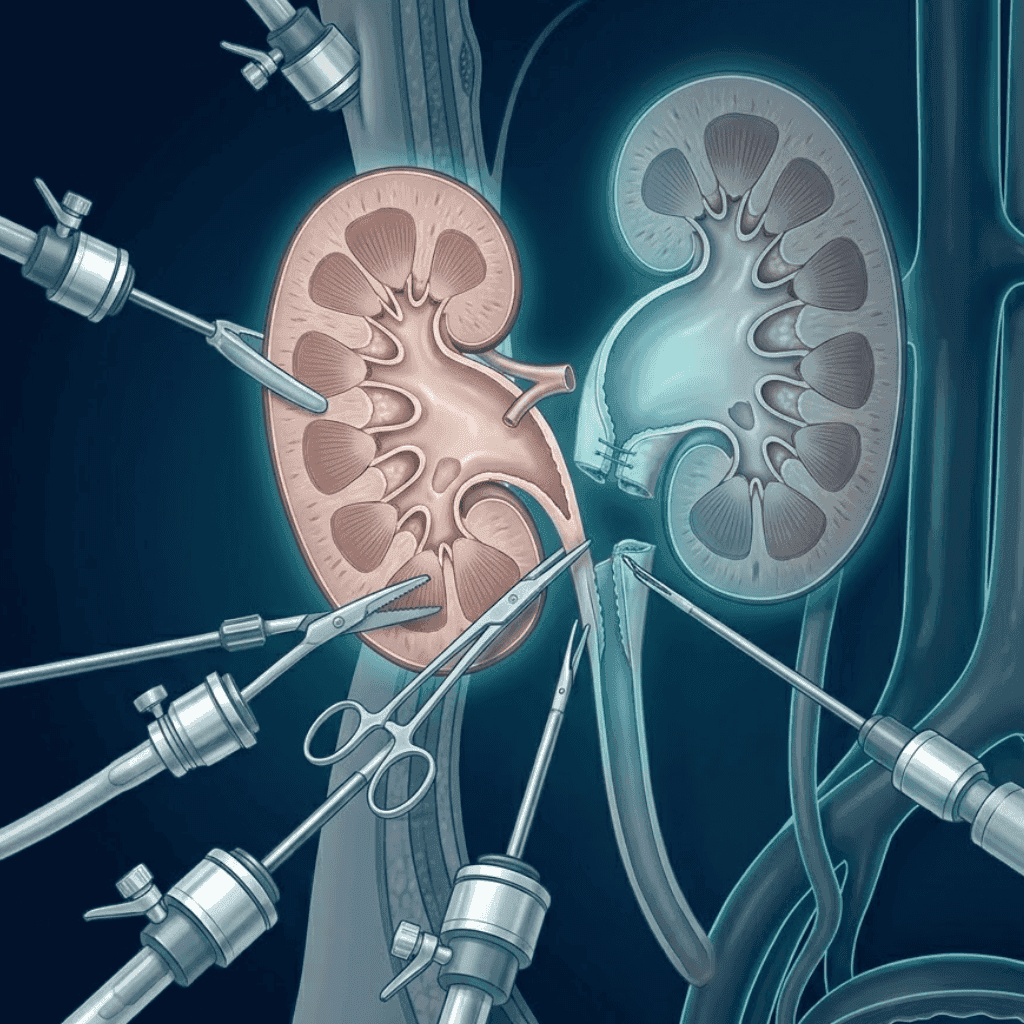
The mainstay is a full course of anti-tuberculosis medicines, usually for six months or more, under national programme guidelines. Urologists monitor for narrowing (strictures) of the ureter during treatment, which may need a stent or reconstructive surgery. A badly damaged, non-functioning kidney is sometimes removed. A small, contracted bladder can be enlarged with surgery after the infection is controlled.
If you have urinary symptoms that keep returning despite antibiotics, see a urologist. Related: recurrent UTI.